A small peanut with a remarkable journey
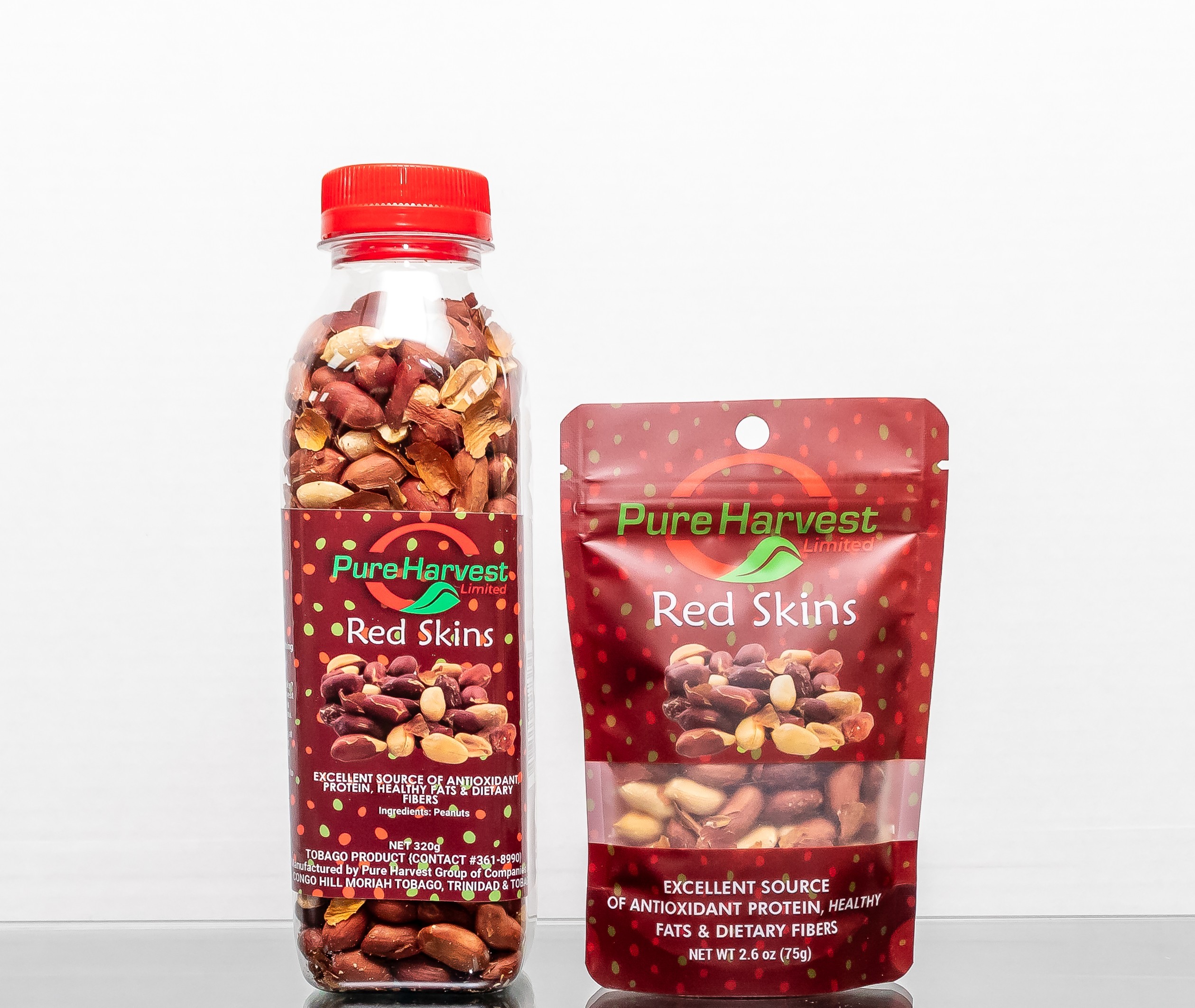
Red-skin peanuts carry a history that begins in South America, travels across oceans, and arrives in Tobago ready for a careful Pure Harvest roast.
Ancient South American roots
The cultivated peanut, Arachis hypogaea, is a legume rather than a tree nut. Genomic research places its beginnings thousands of years ago in South America, where two wild peanut ancestors combined—likely in the region of present-day Bolivia.
A crop that crossed oceans
From South America, peanuts were carried to Africa. They later reached North America through Atlantic trade routes, including the forced migration of enslaved Africans, and became an established food crop.
The red-skin tradition
One well-known red-skinned market type is the Spanish peanut, recognised for its smaller kernels, reddish-brown skin, and naturally sweet, nutty flavour. Spanish-type peanuts are widely used in snacks, confectionery, and some peanut butters.
Why keep the skin?
Colour with character
The red layer is the peanut's thin seed coat. Research across peanut cultivars found that deeper skin colour was strongly associated with total polyphenol content and measured antioxidant capacity. The skin also contributes the pleasantly earthy, lightly astringent character that makes red-skin peanuts distinctive.
Pure Harvest approach
“We roast and prepare each batch with close attention to colour, aroma, and crunch, allowing the natural richness to deepen while keeping the peanuts fresh. Our aim is simple: a succulent, satisfying bite—crisp, flavourful, and just right for eating.”
History and food-science sources